Case Study: Addressing Problematic Sexual Behavior Through Education, Prevention, and Support
At the Children’s Trust, we know that when we invest in the people and programs working every day to support families and prevent child abuse, the impact can be profound. One of the emerging areas in our child sexual abuse prevention work is supporting children and families in navigating problematic sexual behavior (PSB), a complex and often misunderstood issue that affects many young people. Problematic sexual behavior in youth is defined as child or youth-initiated behavior that encompasses sexual acts that are developmentally inappropriate or potentially harmful to themselves or others. Through our partnership with the Massachusetts Society for a World Free of Sexual Harm by Youth (MASOC), we’re helping to ensure that children with concerning sexual behaviors receive developmentally appropriate support, and that the professionals and families who support them have the resources they need to respond with care, knowledge, and confidence.
40-50% of child sexual abuse is committed by other children or adolescents.
While problematic sexual behavior may be a challenging topic, the reality is that it’s more common than many realize. National research shows that 40 to 50 percent of child sexual abuse is committed by other children or adolescents. When it comes to image-based abuse (non-consensual sharing of explicit photos), 70 to 85 percent of those images are created by youth themselves. These statistics highlight an important truth: children and teens are often navigating difficult social and emotional situations without the tools they need, and their caregivers, educators, and health providers are often unsure how to help.
That’s where MASOC comes in. As the professional home for clinicians and providers who support youth with harmful sexual behaviors, MASOC plays a critical role in building a coordinated, compassionate workforce. With funding and support from the Children’s Trust, MASOC operates a no-cost case consultation program that connects professionals—teachers, therapists, pediatricians, school counselors, and more—with expert guidance to help them respond appropriately when they encounter problematic behavior. Already this year, MASOC has provided case consultations to the Department of Children and Families, youth residential programs, a district attorney’s office supporting diversion instead of prosecution, and a range of health and education professionals across Massachusetts.

We also support MASOC’s monthly “Lunch and Learn” series, which creates a virtual space for practitioners to explore emerging research, promising practices, and shared challenges. In collaboration with the Massachusetts Children’s Alliance, these sessions are strengthening the community of practice in our state and beyond. Topics have included help-seeking behavior among teens with PSB, youth-produced sexual content, and trauma-informed treatment models. This kind of ongoing professional development is essential to ensure that the adults in children’s lives are prepared and empowered to act early, intervene effectively, and support healing.
What’s particularly hopeful about this work is that the outcomes are overwhelmingly positive. Children with problematic sexual behaviors are, in every way, more like their peers than like adults who commit sexual harm. With early intervention and the right supports in place, these behaviors very rarely persist into later adolescence or adulthood. Effective, evidence-based treatments are available, and with support from organizations like MASOC, they are becoming increasingly accessible in community settings throughout the Commonwealth.
MASOC is also working to build a more informed and resource-rich environment for families and providers alike. From a statewide directory of trained clinicians to a forthcoming online library of fact sheets and curricula, the organization is making it easier for caregivers, educators, and health professionals to find and use the tools they need to support children’s healthy development.
This work is part of a larger vision.
We know that preventing child sexual abuse requires a multi-layered strategy that supports parents and caregivers, equips professionals and youth-serving organizations with the tools they need to implement prevention plans, and meets children where they are. When we support programs like MASOC, we are not only helping young people change the trajectory of their lives, but we are also investing in a future where all children can grow up safe, nurtured, and free from harm.
At the Children’s Trust, we are proud to stand alongside MASOC and other partners working at the forefront of prevention. Together, we are changing the systems that support children and families so that all families can thrive.
Related Blog
-
 Child Sexual Abuse PreventionJuly 14, 2026
Meeting Kids and Families Where They Are
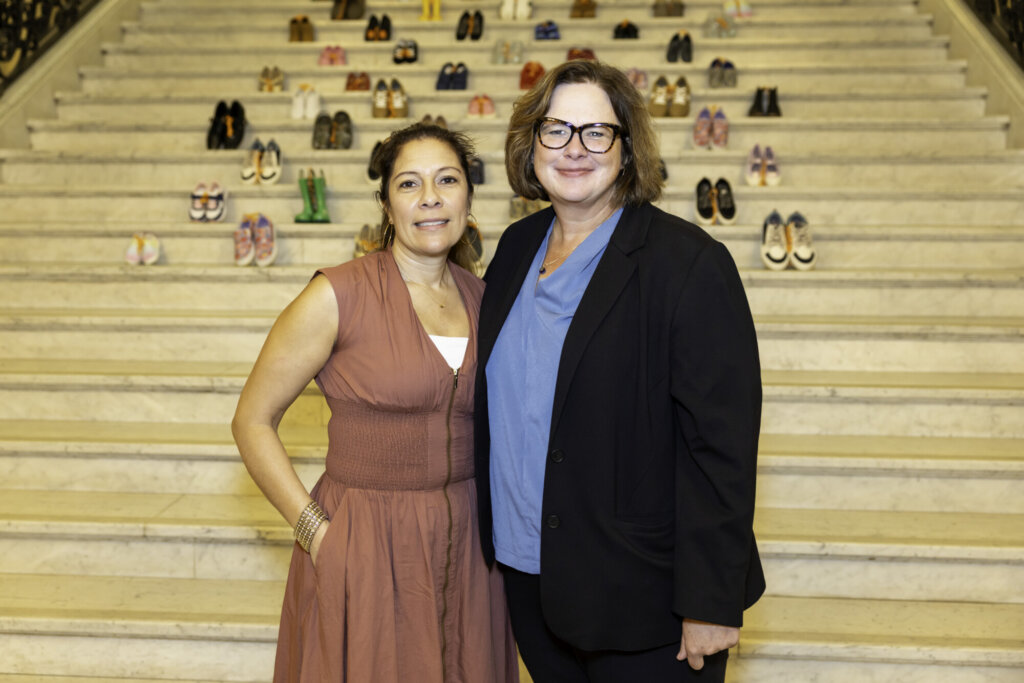
As Executive Director of the Children’s Advocacy Center of Hampshire County, Kara has worked with the Children’s Trust to build a child sexual abuse prevention program tailored to the rural communities she serves.
Read More about Meeting Kids and Families Where They Are -
 Child Sexual Abuse PreventionJanuary 12, 2026
Prevention is Possible: Building Systems that Keep Kids Safe
Learn how the Children’s Trust is building a sustainable, community-driven approach to child sexual abuse prevention through training and education.
Read More about Prevention is Possible: Building Systems that Keep Kids Safe -
 Child Sexual Abuse PreventionDecember 29, 2025
Understanding Problematic Sexual Behavior
Explore PSB guidance from SafeKidsThrive.org developed in collaboration with the Office of the Child Advocate (OCA).
Read More about Understanding Problematic Sexual Behavior