Understanding Problematic Sexual Behavior
New Resource Available for Professionals and Parents/Caregivers on Safe Kids Thrive
Problematic Sexual Behaviors (PSB) among children and youth are more common and often more misunderstood than many people realize. Research shows that between 35% and71% of sexual assaults against children are committed by other children, making early, appropriate responses a critical part of child sexual abuse prevention. PSB can be adequately addressed with the right support. The recidivism rate for children receiving treatment is lower than 3%.*
At the Children’s Trust, we know that prevention is possible. Our Child Sexual Abuse Prevention work focuses on strengthening systems, promoting evidence-informed approaches, and ensuring communities have access to practical, trusted resources.
This approach is reflected in the new Problematic Sexual Behavior (PSB) guidance now available on the Safe Kids Thrive website. Developed in collaboration with the Office of the Child Advocate (OCA), this resource helps translate research into clear, accessible guidance for families, professionals, and communities across Massachusetts.

The new PSB content was intentionally designed with dedicated sections for multiple audiences, including parents, caregivers, professionals, and community members, so that the guidance is relevant to the user. Across the site, visitors can find:
- Clear definitions of PSB, along with common misconceptions and warning signs
- Practical guidance for parents and caregivers
- Specialized information for professionals working with children and families
- Tailored resources for supporting children with intellectual or developmental disabilities (IDD)
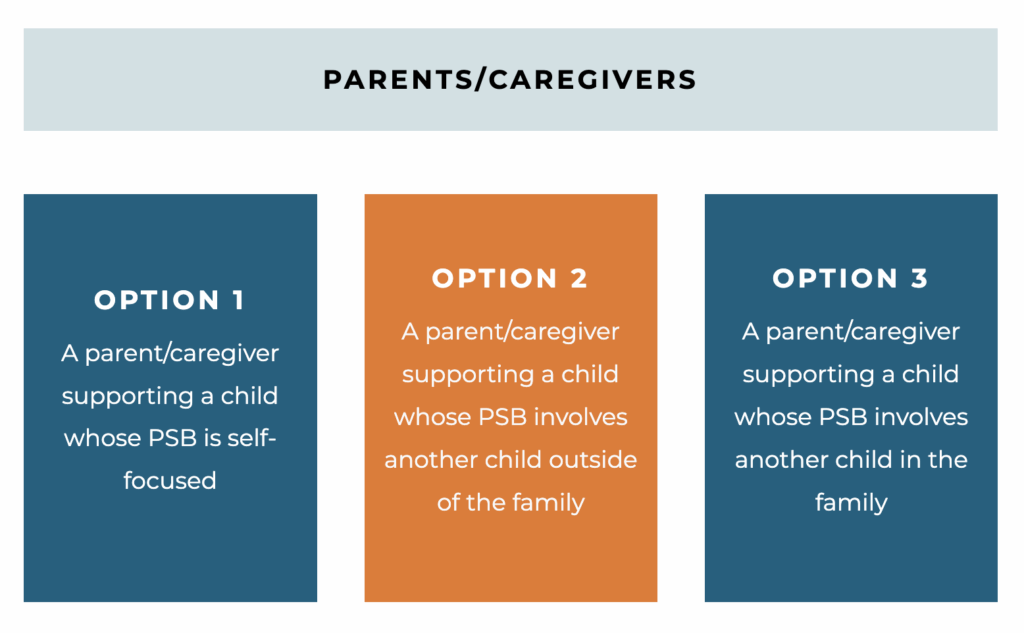
What began as a comprehensive written guide has now been expanded into seven easily digestible web pages. We invite you to explore the new PSB pages and share them within your networks:
Together, we can continue to make safety a shared responsibility across organizations, communities, and systems.
*Caldwell, M. F. (2016, July 18). Quantifying the decline in juvenile sexual recidivism rates. Psychology, Public Policy, and Law, 22(4), 414-426. doi: 10.1037/law0000094
About Safe Kids Thrive
Safe Kids Thrive is a first-of-its kind framework that helps youth-serving organizations prevent sexual abuse through a user-friendly website that includes free customizable planning tools, resources, and learning modules. SafeKidsThrive.org is based on a report originally developed by the Massachusetts Legislative Task Force on the Prevention of Child Sexual Abuse and is managed by the Children’s Trust. Learn more at SafeKidsThrive.org.