Blog
Stay informed with our latest initiatives, hear from experts in the field, and explore stories that highlight the power of prevention.

Stay informed with our latest initiatives, hear from experts in the field, and explore stories that highlight the power of prevention.

A partnership between the Children’s Trust and Adult & Teen Challenge of Brockton is helping fathers build stronger parenting skills through the Nurturing Fathers Program, supporting healthier families and communities.
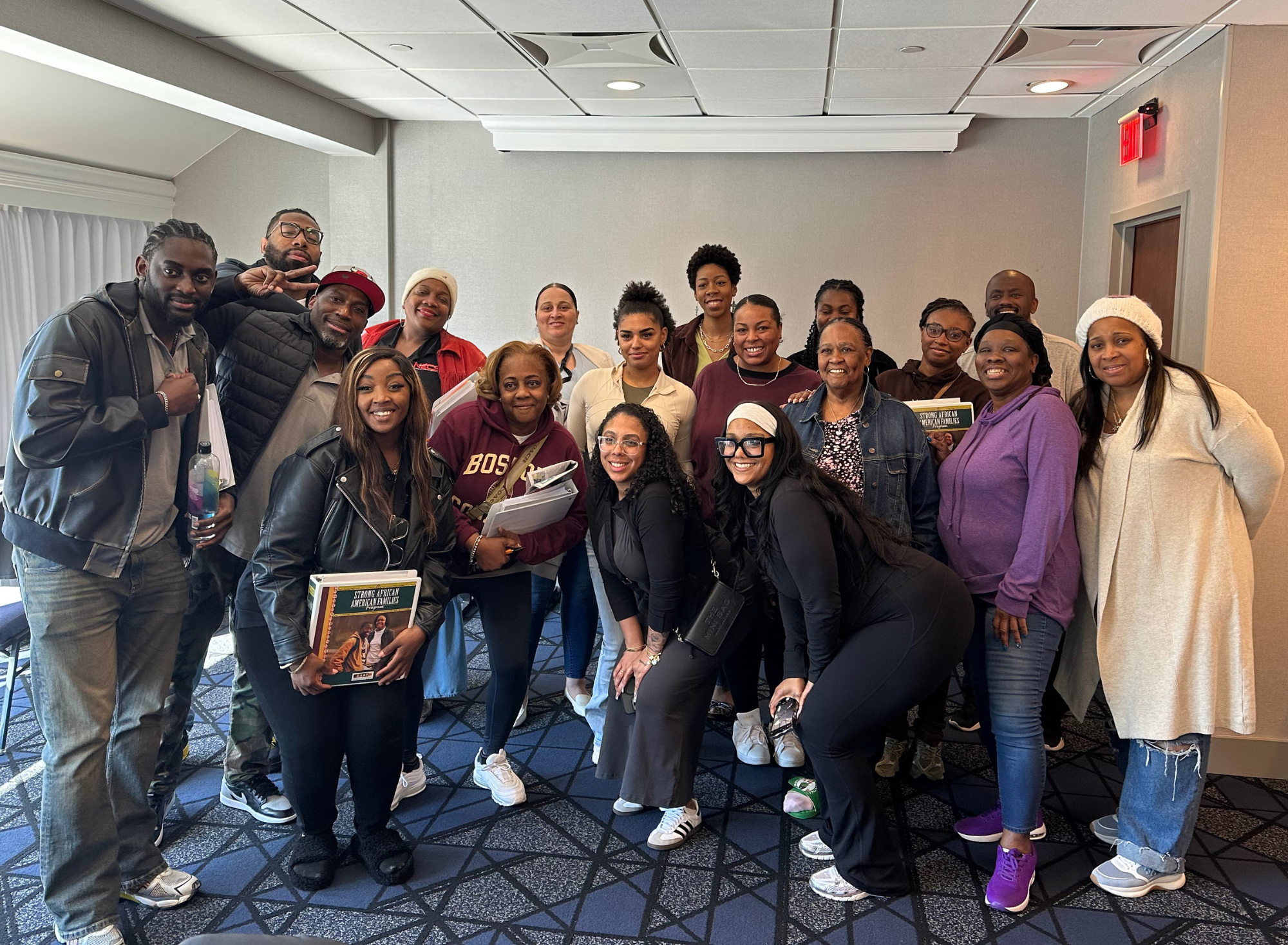
Discover how the Children’s Trust Partnership with DCF brought the Strong African American Families (SAAF) program to Massachusetts,.
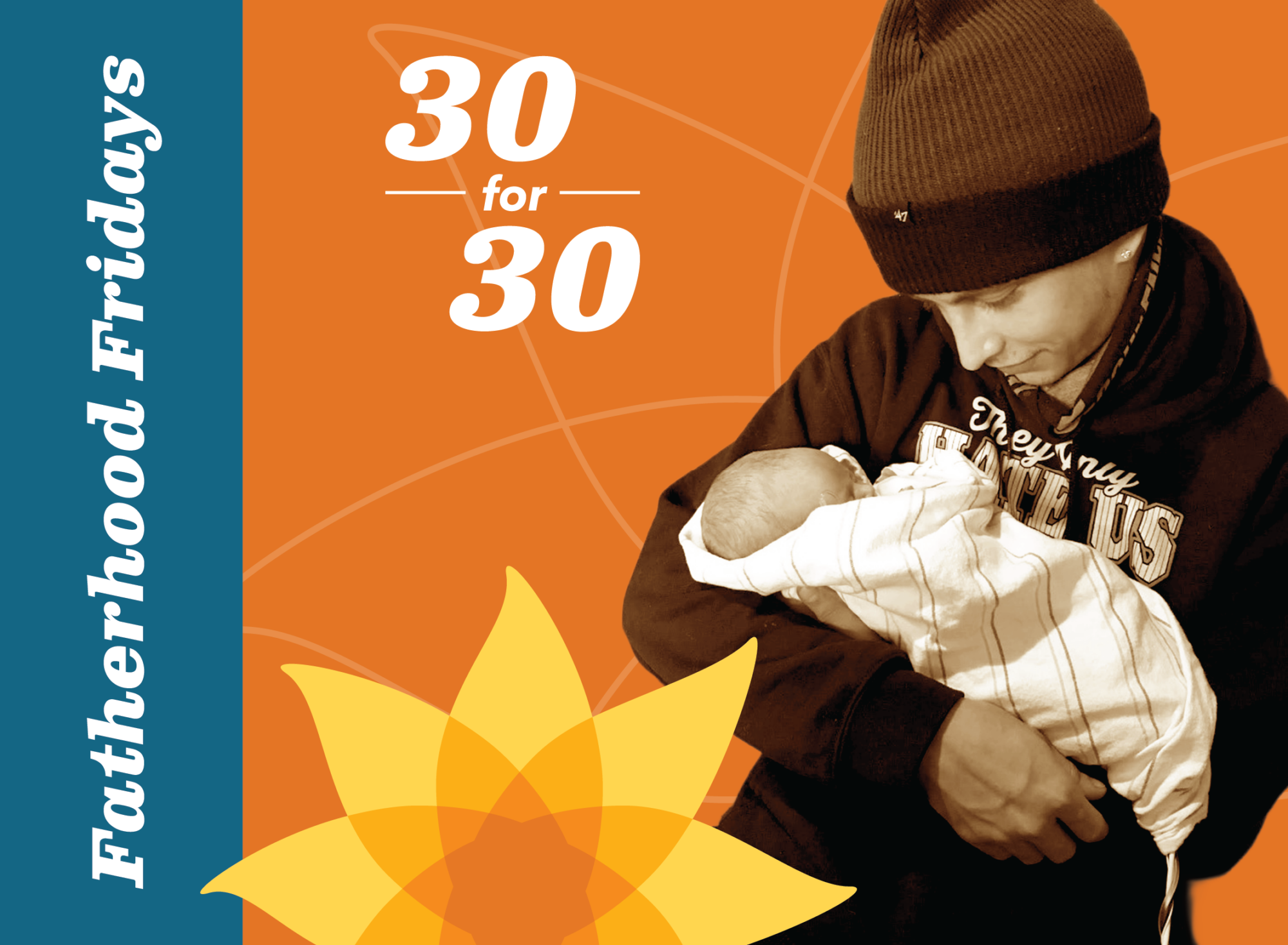
After gaining full custody of his son, Andrew turned to Healthy Families Massachusetts for guidance and support. Home visiting helped him build confidence, strengthen his parenting skills, and create a stable, loving home.

After becoming a single father at the start of the COVID-19 pandemic, Chris found guidance and support through Healthy Families Massachusetts, helping him build confidence and a strong connection with his daughter.

After growing up in foster care, Norland credits Healthy Families Massachusetts with helping him build lifelong skills around goal setting, problem-solving, and parenting that continue to guide his career and family life today.

After two incarcerations, Tyler Stanton found a new path through the Nurturing Fathers program at Hampshire County House of Corrections, rebuilding his life, sobriety, and role as a dad.

A family center in Cambridge increased dad participation by 150% by creating programs designed for fathers and children, strengthening parenting, connection, and community support.

Kenny Coy’s story shows how father involvement and home visiting support helped build confidence, stability, and strong co-parenting from the start.
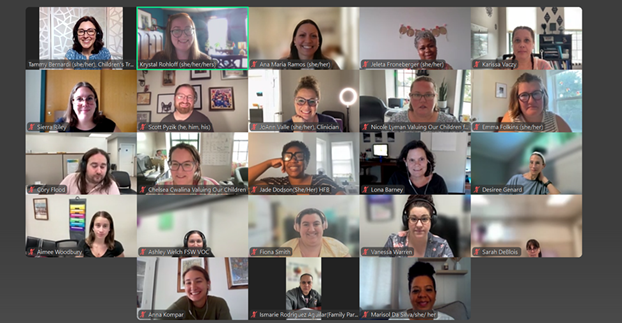
Learn how the Children’s Trust is building a sustainable, community-driven approach to child sexual abuse prevention through training and education.