Prevention is Possible: Expanding Access to Evidence-Based Programs
Prevention is Possible: Expanding Access to Evidence-Based Programs
Last spring, the Children’s Trust partnered with the Department of Children and Families (DCF) to pilot Strong African American Families (SAAF) in Massachusetts. This pilot was part of a broader effort to expand access to evidence-based, prevention-focused programs in community settings, by emphasizing the importance of programs that reflect and respond to the strengths of the families they serve.
About Strong African American Families (SAAF)
Strong African American Families (SAAF) is a culturally grounded, evidence-based program that supports African American youth ages 10-14 and their caregivers during a critical stage of development. Developed by the University of Georgia’s Center for Family Research, the program is designed to strengthen family relationships, build youth resilience, and reinforce cultural pride to help prevent risky behaviors.
The program includes seven weekly sessions that focus on building parenting skills, supporting youth self-regulation, strengthening family communication, and reinforcing cultural pride. Caregivers and youth participate in separate, age-appropriate activities before coming together for joint family sessions that help them practice new skills and apply them at home. Sessions use videos, role-play, guided discussion, and hands-on activities rooted in strength-based, culturally responsive approaches.
Bringing SAAF to Massachusetts Communities
Through a competitive RFR process, four community-based organizations were selected to implement SAAF within their communities:
Each organization received funding to support program implementation while also building long-term capacity to deliver evidence-based group programming. Organizations went through a readiness process to ensure they had the staffing, leadership support, and capacity to successfully run a group-based program.
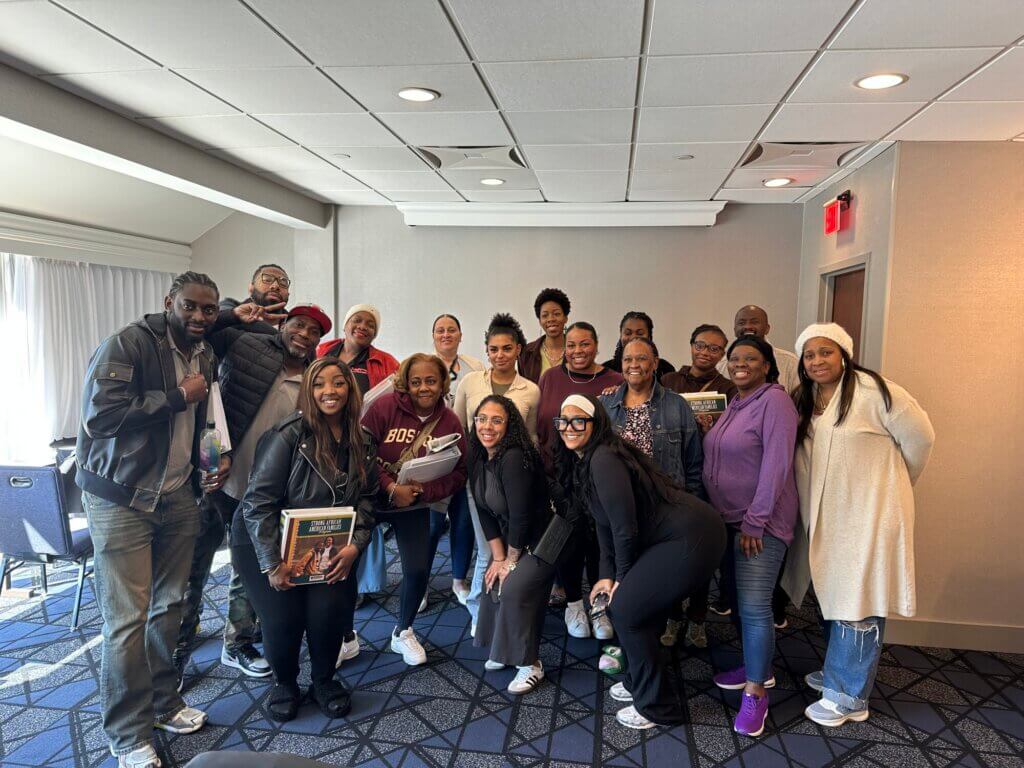
Prior to launching the programs, all group facilitators participated in a comprehensive SAAF Certification Training. This three-day in-person training focused on hands-on learning, cultural grounding, and role-play, helping facilitators feel prepared, confident, and supported before leading sessions with families.
Strong African American Families (SAAF) groups ran from May – August 2025 at all participating organizations.
What We Learned
Across all sites, enrollment and completion rates were high, and the pilot reinforced the importance of strong preparation and cultural alignment for successful implementation.
Having facilitators who understood and reflected the communities they worked with helped families feel comfortable, respected, and engaged throughout the program. Agencies also demonstrated a strong commitment to the SAAF model, recognizing both the cultural relevance of the curriculum and its effectiveness in strengthening family relationships.
Just as important were the practical supports that helped families show up. Weekly meals created a welcoming, family-centered environment, and supports like childcare and transportation made participation more accessible and sustainable.
Organizations also emphasized the value in being able to offer families a program that is not only evidence-based but also affirming of their lived experience, cultural identity, and community strengths.
“One family that attended every session truly stands out. The mother openly shared that she had been struggling with depression, and when her family partner introduced her to the group, she saw it as an opportunity to make a positive change. From the very first session, she expressed how grateful she was to have joined, describing it as exactly what she needed to re-engage with her community and regain energy. Later, during a parent session, she shared a powerful moment when she applied one of the lessons at home and immediately saw a positive shift in her children’s behavior. Her story highlights both the personal impact of the Strong African American Families group and the way its lessons translate into meaningful changes for families.”
Looking Ahead
The SAAF pilot showed what’s possible when evidence-based programs are delivered in ways that feel relevant, supportive, and community-centered. By pairing a proven model with strong partnerships and practical supports, families were able to build skill, strengthen relationships, and grow together.
The lessons from this work will continue to shape how the Children’s Trust supports prevention-focused programs — helping ensure that families across Massachusetts can access services that honor their strengths and support their wellbeing.