
Fostering Connections with Young Fathers
Strong support for first-time dads helps families build stability, confidence, and connection from the start.
The impact of Healthy Families Massachusetts shows up in the numbers: a 35 percent reduction in secondary reports of child abuse and neglect, according to a study by Tufts University. The program matches first-time parents with trained professionals who visit families’ homes to provide support during pregnancy and the child’s first three years of life. Home visitors partner with parents to better understand baby care, promote nurturing and attachment, identify and reduce stressors, and practice effective parenting strategies. They also counsel parents on achieving personal goals such as continuing education or securing or improving employment. Home visitors work equally with moms and dads and receive training and support to help engage dads in the program.
A few years ago, the Healthy Families program in Boston was featured on WCVB’s 5 for Good for its incredible work incorporating dads into the program. The impact of that work can be seen through the stories of first-time dads like Nate Parilla and Enijah Mclean. Nate, who lived in Boston’s Dorchester neighborhood, felt plenty of nerves as a first-time father to his young son. His father had died when he was 12 years old, so Nate said he had nobody to model fatherhood to him.
“You don’t want the same that you went through for your kids. You always want better for them, so I was extremely nervous.”
Nate Parilla of Dorchester
Knowing that Children’s Trust Director of Home Visiting Steven Pascal was available to answer his questions — even via a call or text on weekends — eased his initial worries about becoming a parent.
“People’s default always tends to be towards mom, so we train practitioners on the importance of engaging co-parents equally. When dads are involved prenatally, we know the health outcomes for those babies are better. Later on in life for those children, we know that socially, emotionally, they do much better, and academically when they hit school age.”
Steven Pascal, Director of Home Visiting for the Children’s Trust
Enijah became a dad during the pandemic, in the middle of stay-at-home orders. Healthy Families helped him feel less alone as he navigated those first months of parenthood.
“It made me feel kind of isolated. I had a kid at a young age. It helps to know there’s someone out there who’s going through the same thing.”
Enijah Mclean of Boston
The Children’s Trust partners with local organizations to implement Healthy Families Massachusetts within their community. Healthy Families Massachusetts is accredited through Healthy Families America and is part of the Children’s Trust network of programs that help families thrive.
About the 30 for 30 Fatherhood Series
This story is part of 30 Stories for 30 Years, marking 30 years of the Children’s Trust Fatherhood Initiative. The series highlights how professionals and organizations across Massachusetts support father involvement, healthy co-parenting, and stronger parenting partnerships as part of upstream prevention.
Previous Fatherhood Fridays Posts
-
 UncategorizedApril 3, 2026
“Dad Bags”: How home-cooked meals helped kids build resiliency
When the pandemic disrupted in-person programs, a Massachusetts family center created “Dad Bags” to help fathers and children stay connected through shared meals and activities at home.
Read More about “Dad Bags”: How home-cooked meals helped kids build resiliency -
 FatherhoodMarch 27, 2026
Giving His Daughter a Childhood That Feels Different
After becoming a single father, Damien found support through Healthy Families Massachusetts. Home visiting helped him build confidence, strengthen parenting skills, and create a stable, loving childhood for his daughter.
Read More about Giving His Daughter a Childhood That Feels Different -
 FatherhoodMarch 20, 2026
Meeting Fathers Where They Are
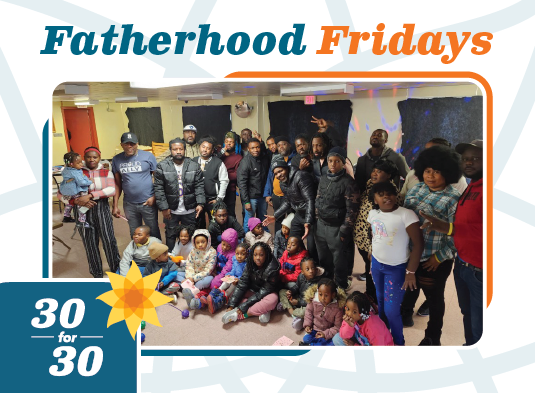
A Haitian Creole-language fatherhood program supported families in a Massachusetts shelter, offering culturally relevant parenting support through a partnership between state and community organizations.
Read More about Meeting Fathers Where They Are